[go: up one dir, main page]

We now offer a growing library of on-demand webinars for CME credits. To learn more and register, visit us on the LearnWorlds platform.
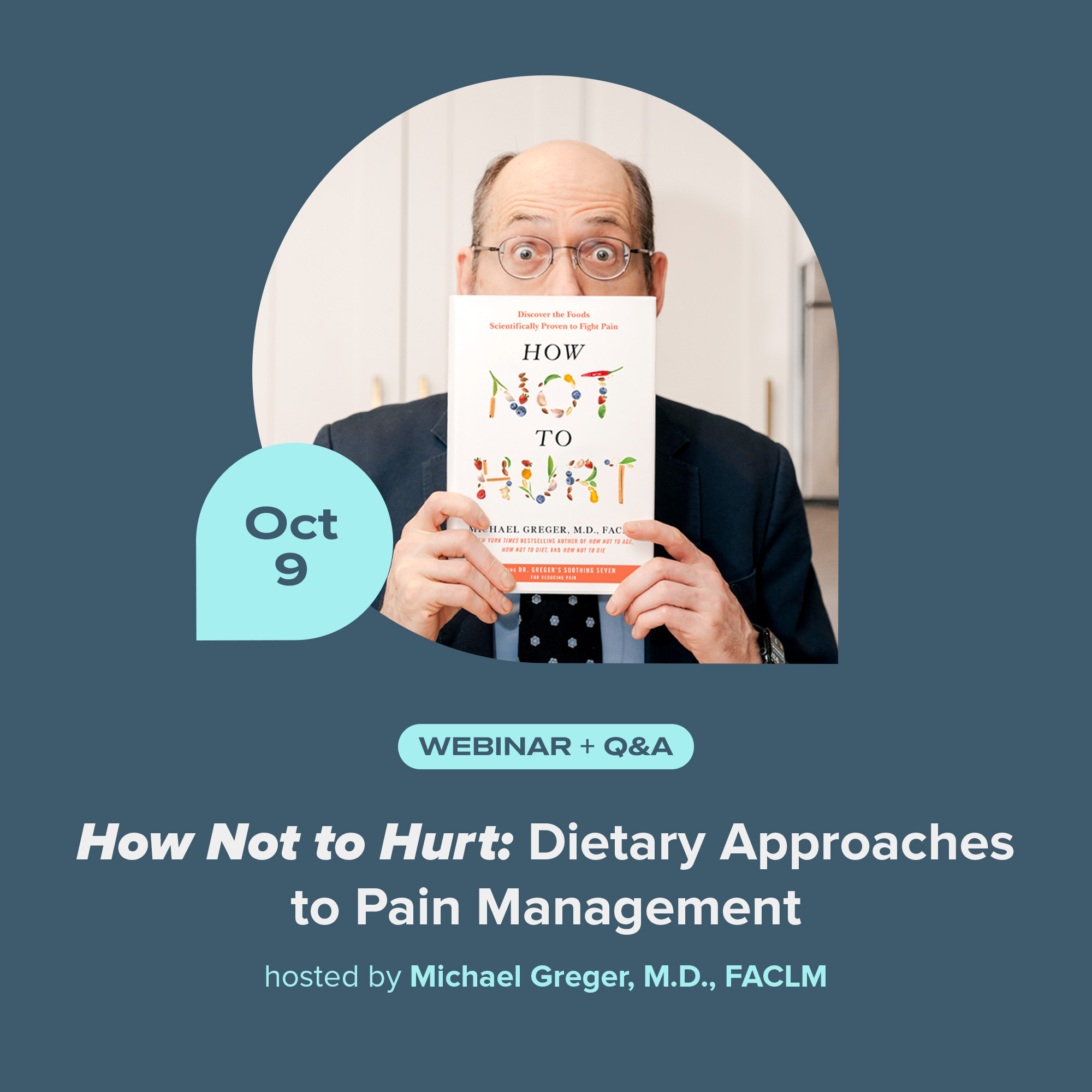
How Not to Hurt Webinar: Dietary Approaches to Pain Management

How Not to Hurt Webinar: Dietary Approaches to Pain Management

In this eye-opening presentation based on Dr. Michael Greger’s upcoming book How Not to Hurt, you will discover the shocking reality of modern pain management: a multibillion-dollar system of drugs, devices, and surgeries that too often do more harm than good. More importantly, he will deliver a message of profound hope, revealing safe, simple, and scientifically proven “single-cent solutions” hidden right in our pantries. You will learn how specific whole foods, spices, and lifestyle changes can prevent, treat, and even reverse chronic pain conditions, like migraines, arthritis, nerve pain, and inflammatory bowel disease, empowering you to take control of your health, naturally.
Learn More

Treat the Causes of IBS Gut Pain, Bloat, and Food Sensitivities

Treat the Causes of IBS Gut Pain, Bloat, and Food Sensitivities

As many as 80% of people diagnosed with IBS may not have IBS at all, but a different, often treatable, underlying cause. Meanwhile, the drugs approved for IBS help only about one in eight patients; several have been pulled from the market for safety reasons; and the breath testing used to diagnose SIBO in IBS patients has been shown to be invalid.

What should be tested? Why do fatty meals trigger attacks within minutes? Is it the lactose or the milk protein? How common is gluten sensitivity really? Does the low-FODMAP diet beat a sham diet, and what is it doing to our microbiome? And which foods, spices, and supplements have actually been shown to work in randomized trials?

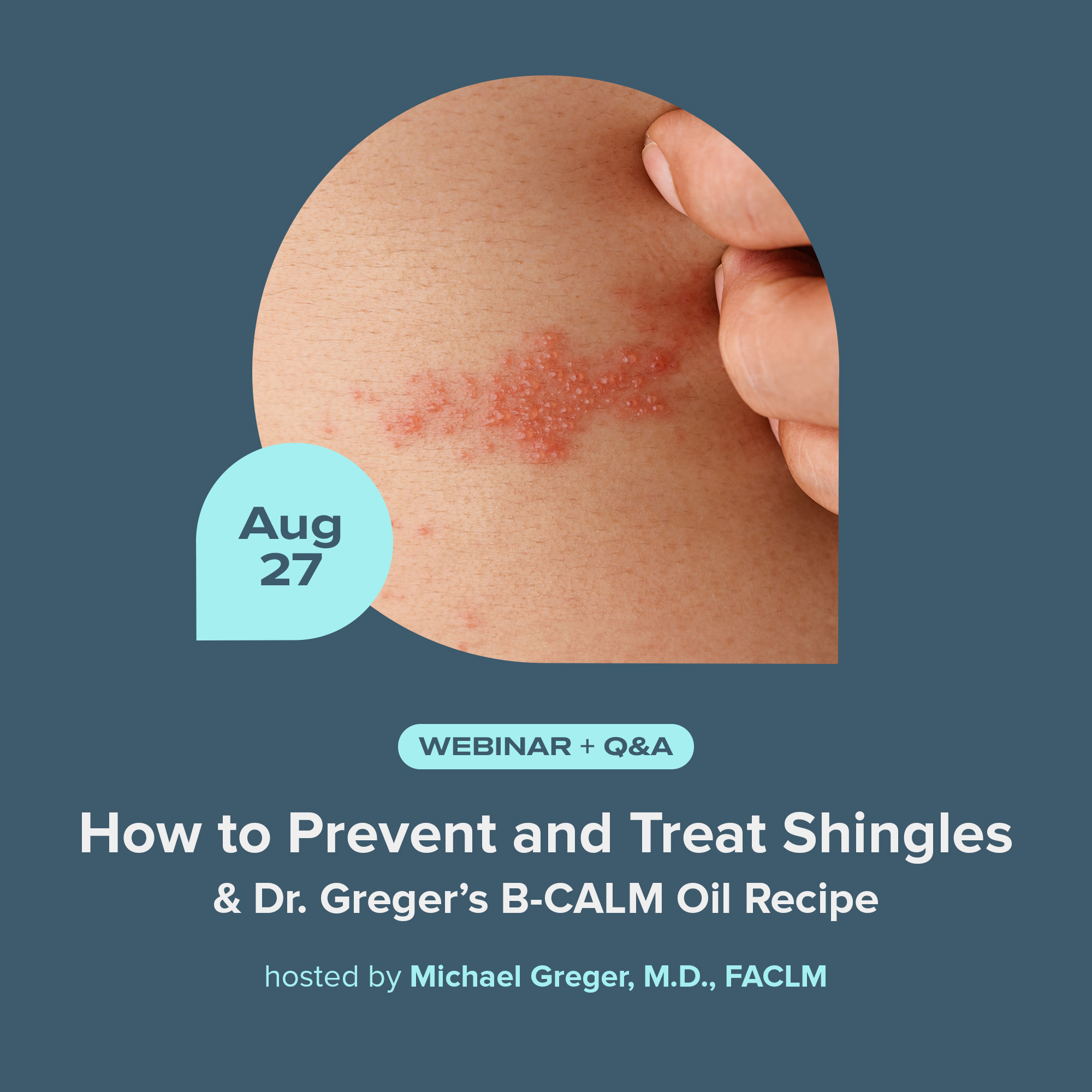
How to Prevent and Treat Shingles (and Dr. Greger’s B-CALM recipe)

How to Prevent and Treat Shingles (and Dr. Greger’s B-CALM recipe)

Shingles is one of the most under-discussed adult health threats—despite a lifetime risk approaching one in three. It can cause blindness, trigger strokes, and result in a debilitating nerve pain (postherpetic neuralgia) that can linger for years. What does the evidence say about this painful condition? In this 1.5-hour webinar, Dr. Greger covered preventing shingles, treating an active outbreak, and using diet and natural topical treatments to relieve postherpetic neuralgia and long-term nerve pain in general. Highlights included a discussion of how Big Pharma misleads the public about vaccine efficacy and step-by-step instructions to make Dr. Greger’s B-CALM Oil recipe for neuropathic pain.

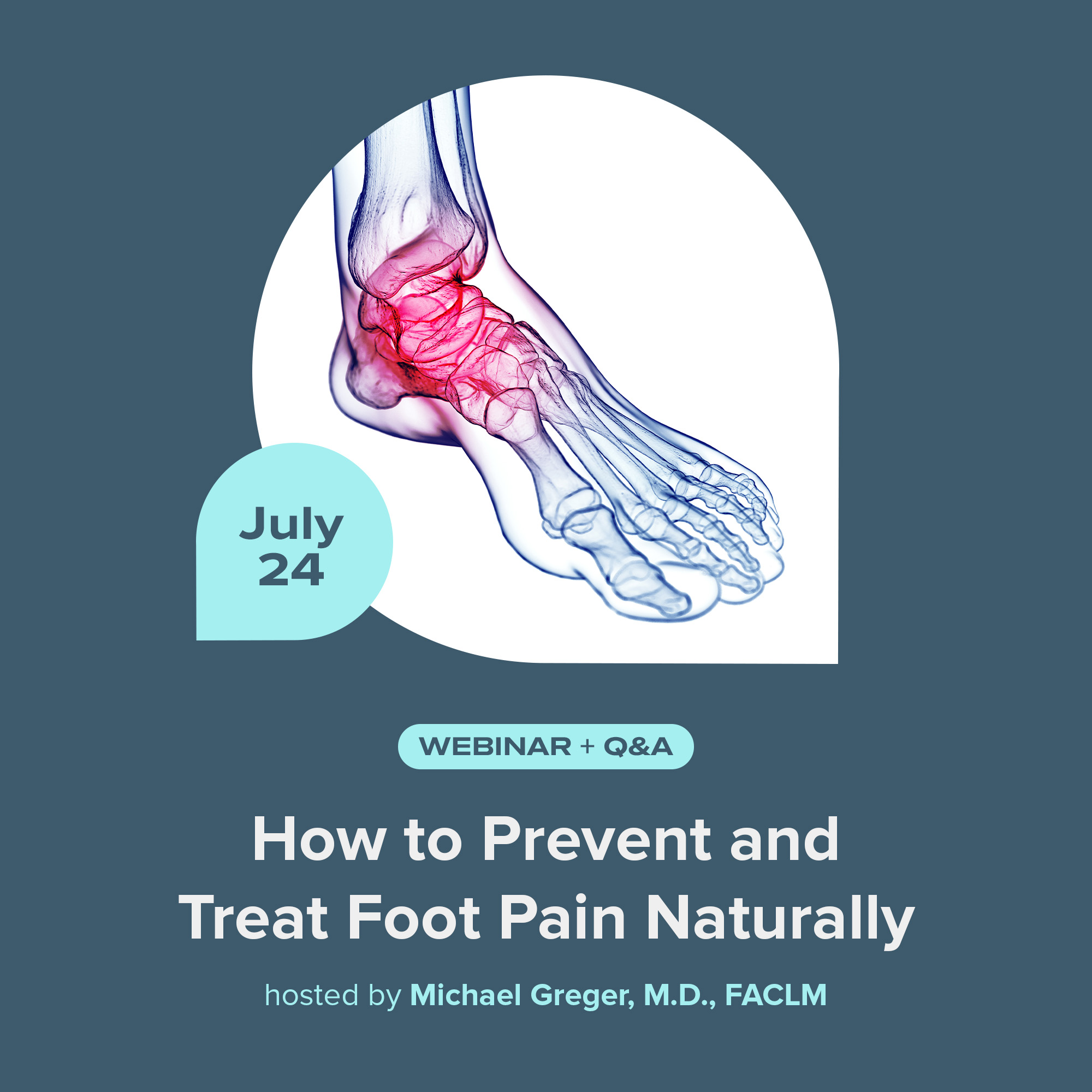
How to Prevent and Treat Foot Pain Naturally

How to Prevent and Treat Foot Pain Naturally

In an average lifetime, we may walk the equivalent of three times around the Earth, so we should care for our feet as we would any other vital part of our body. Dr. Greger premiered the “Foot Pain” chapter from How Not to Hurt, his forthcoming book available this December, in this 1.5-hour live webinar starting at 2:00pm ET on Friday, July 24, 2026. He focused on preventing and treating plantar fasciitis, covered other causes of heel pain, and discussed self-care options for ankle sprains, bunions, and ingrown toenails. 

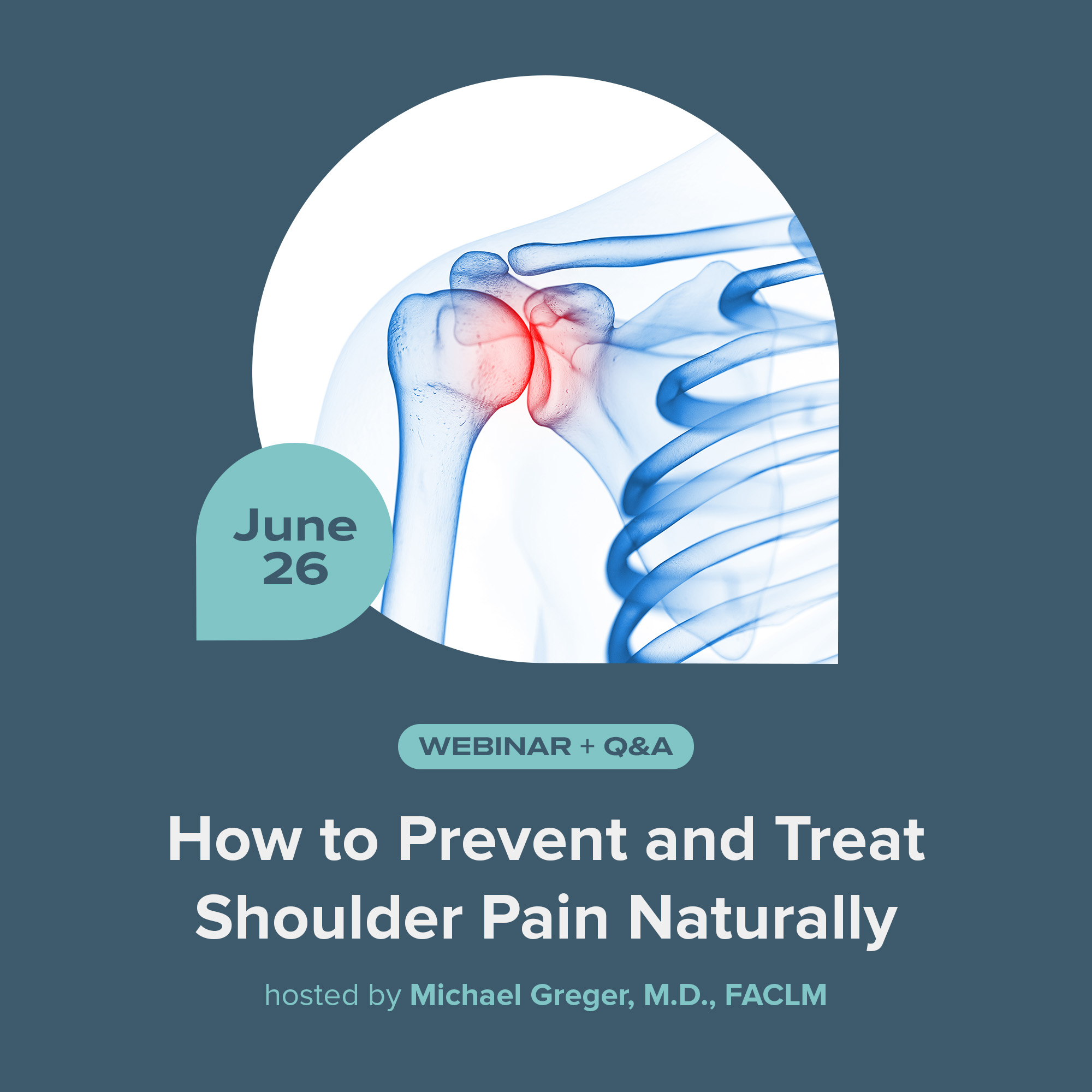
How to Prevent and Treat Shoulder Pain Naturally

How to Prevent and Treat Shoulder Pain Naturally

Most of us will suffer from shoulder pain sometime in our life. What can we do about it? Unfortunately, much of what physicians, surgeons, chiropractors, and physical therapists have to offer can be useless––or worse. In this 1.5-hour live webinar, Dr. Greger premiered the shoulder chapter from his forthcoming book, How Not to Hurt, available in December 2026. He covered rotator cuff issues, the most common source of shoulder pain, as well as frozen shoulder (adhesive capsulitis).

Treating Heartburn and Acid Reflux (GERD) Naturally

Treating Heartburn and Acid Reflux (GERD) Naturally

Common drugs for heartburn and acid reflux can do more harm than good. Thankfully, there are safe, simple, side-effect-free strategies to both prevent and treat these symptoms of GERD. This webinar was a first peek at the dozens of topics Dr. Greger covers in How Not to Hurt, his forthcoming book on diet and lifestyle approaches to pain.

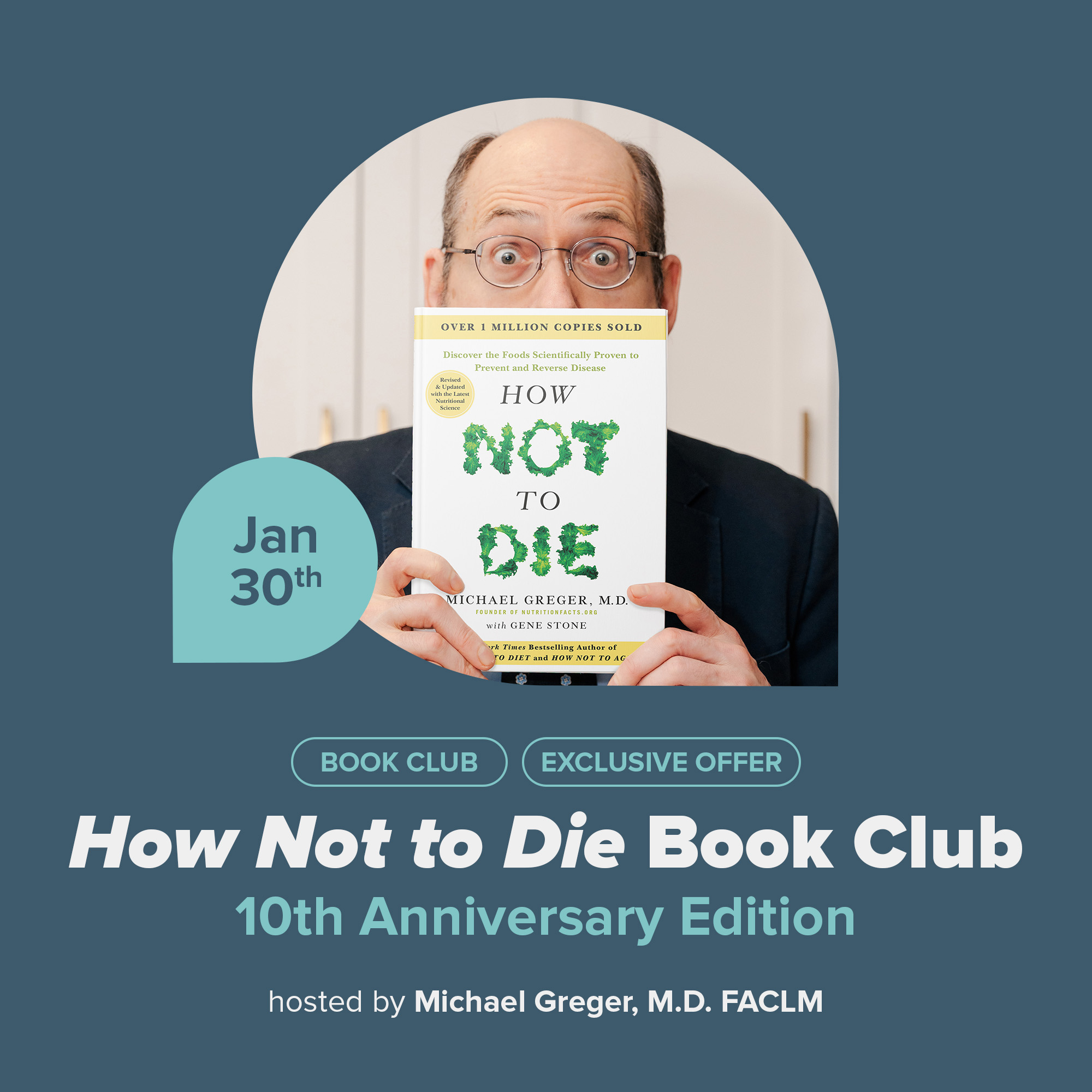
How Not to Die Book Club: Revised and Updated 10th Anniversary Edition

How Not to Die Book Club: Revised and Updated 10th Anniversary Edition

Happy 10th anniversary, How Not to Die! In celebration of a decade of the Daily Dozen and Dr. Greger’s first New York Times Bestseller, join him for an hour-long live book club on Friday, January 30. He’ll highlight the most important passages in his revised and updated anniversary edition of How Not to Die.

Exclusive Screening of the Upcoming How Not to Die Documentary

Exclusive Screening of the Upcoming How Not to Die Documentary

In celebration of the 10th anniversary of the publication of How Not to Die, the Greenbaum Foundation commissioned a documentary about Dr. Greger’s life and work. The film includes interviews with many of the leading luminaries in the evidence-based nutrition movement. Final edits are still being made, but we have an advanced screening copy that even Dr. Greger hasn’t seen yet! Join him for this two-hour webinar and be one of the first in the world to see this new documentary that will let you learn more about Dr. Greger and hopefully inject some scientific sanity into the dietary discourse.

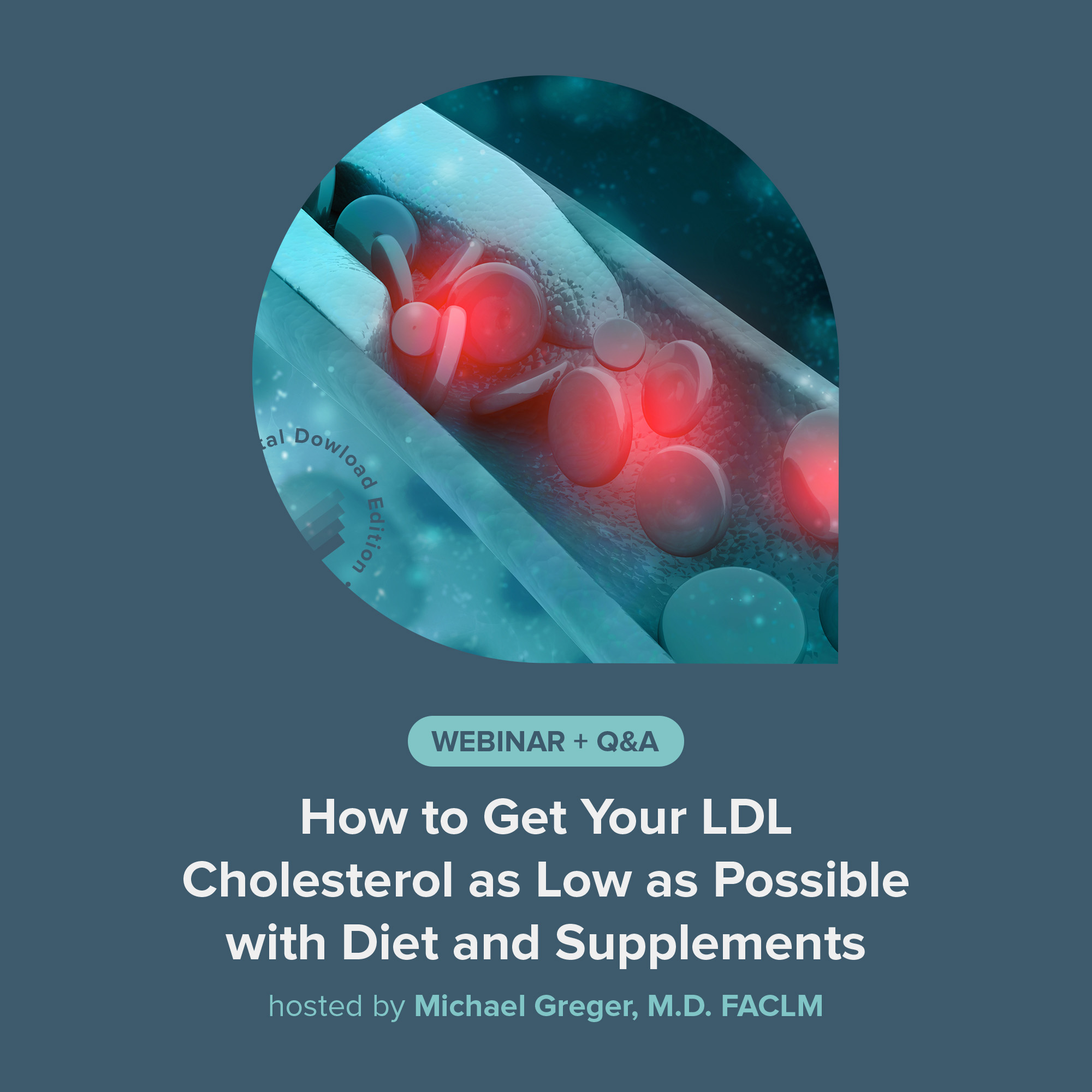
How to Get Your LDL Cholesterol as Low as Possible with Diet and Supplements

How to Get Your LDL Cholesterol as Low as Possible with Diet and Supplements

Cholesterol guidelines have shifted in recent years from specific targets to reach to a general consensus that we should strive to get our LDL (“bad”) cholesterol as low as possible for as long as possible, so why isn’t everyone prescribed cholesterol-lowering drugs like statins? Because there are side effects, such as increased diabetes risk, statins and other drugs are prescribed only for those above a certain risk threshold, so we can be assured that the benefits outweigh the potential harms. However, there are risk-free ways to lower our cholesterol through diet that we all should consider. In the past, I’ve focused on the foods that raise our cholesterol that we should avoid. That’s the first step. But there are also foods that actively lower our cholesterol. That’s the rationale behind the Portfolio Diet, a plant-based diet that includes a portfolio of four cholesterol-lowering foods. But why stop there? I dug into the research and uncovered every safe, simple way to lower our cholesterol. Whether or not you’re on statins, by incorporating certain cholesterol-lowering foods, including herbs and spices, as well as supplements, you should be able to lower your risk of heart disease, the number one killer of men and women, as much as possible. In this webinar, Dr. Kristine Dennis, our new Senior Research Scientist, and I will run through all the science and then I’ll put on my chef’s hat to share recipes for my mealtime Portfolio Plus Powder and once-a-day BAT Powder concoctions.

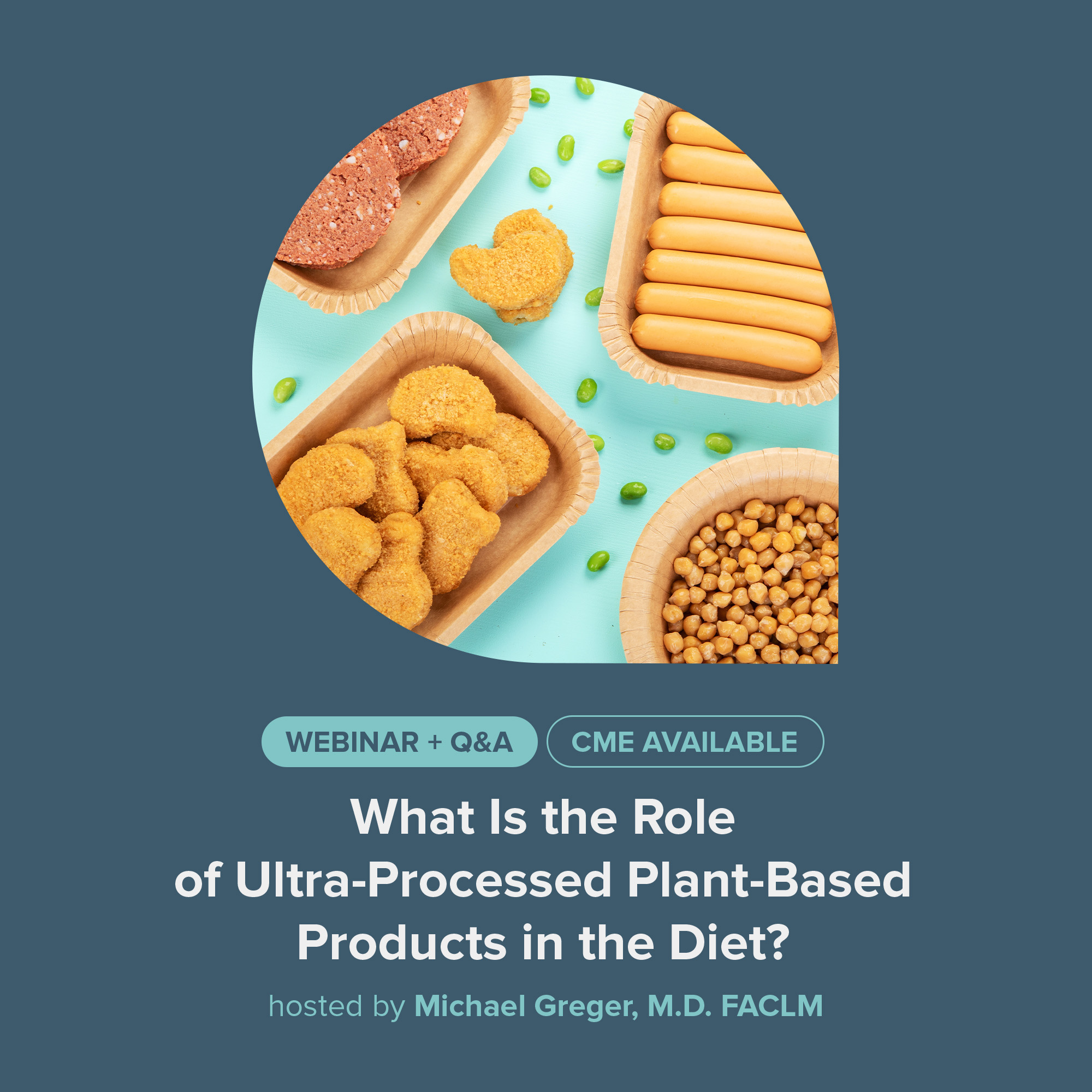
What Is the Role of Ultra-Processed Plant-Based Products in the Diet?

What Is the Role of Ultra-Processed Plant-Based Products in the Diet?

Excess consumption of ultra-processed foods is linked to increased risks of disease and death. However, these associations appear to be driven largely by sweetened beverages and processed meats. In that case, instead of being a part of the problem, plant-based meats may be the solution to the ultra-processed foods issue. Unlike other ultra-processed foods, plant-based meats are healthier than the foods they were designed to replace. How do they compare to whole plant foods? In this live 3-hour CME-approved webinar, I’ll explore the public health implications of full or partial replacement of animal products with both ultra-processed plant-based products and whole plant foods.

Pin It on Pinterest