


Category
Graphic design is key to any digital campaign. Find out how marketers can effectively use it to build brand awareness and influence the customer's decision-making process. Digital Marketing
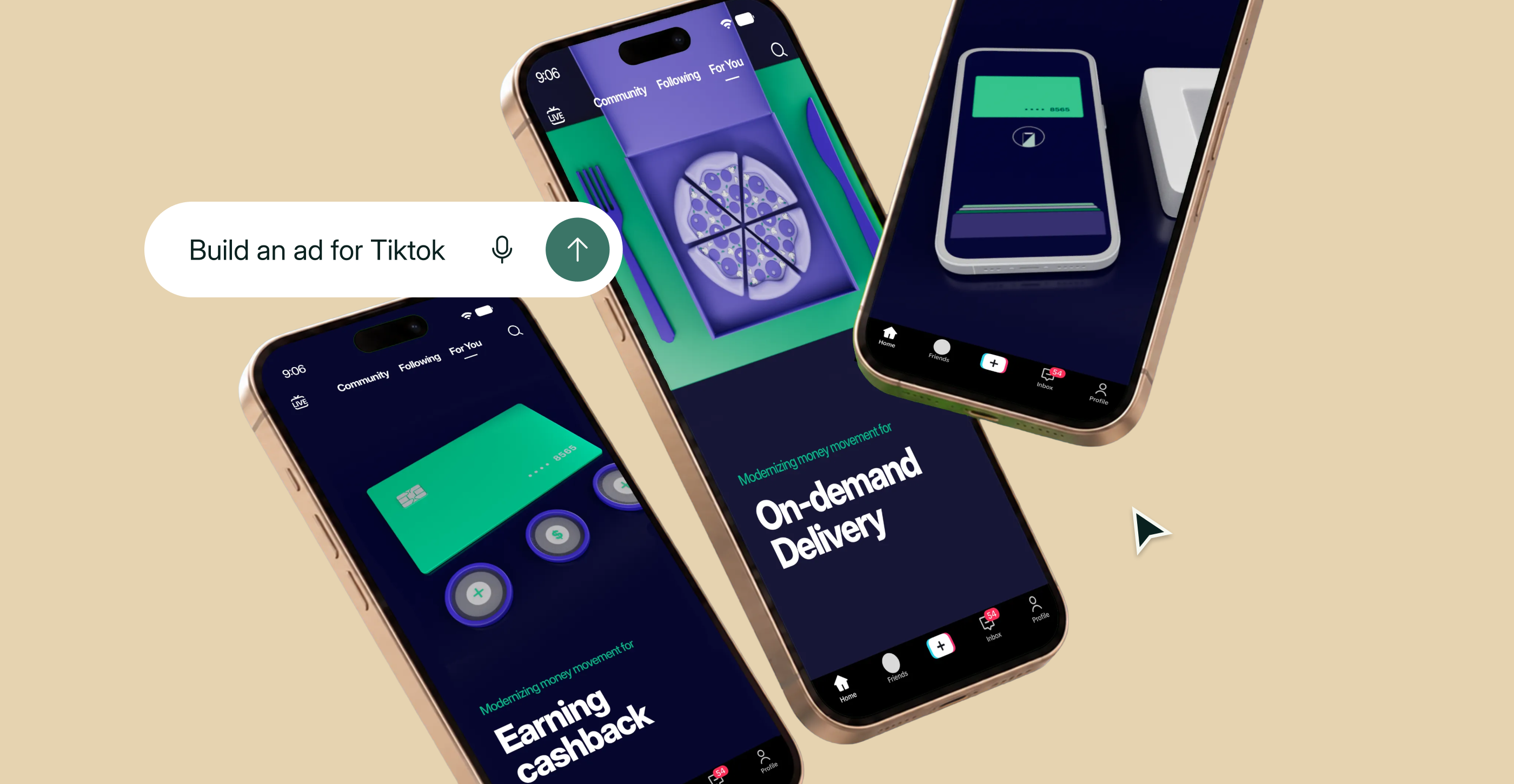
14 examples of TikTok ad creative that earns attention in 2026
Most paid social creative can survive a little repurposing. TikTok is less forgiving. Its "For You" feed is packed with vertical, sound-on videos made by creators who know exactly how to build irresistible hooks and hold attention. Drop in an ad that feels like it was made for LinkedIn or Facebook, and you'll simply be ignored.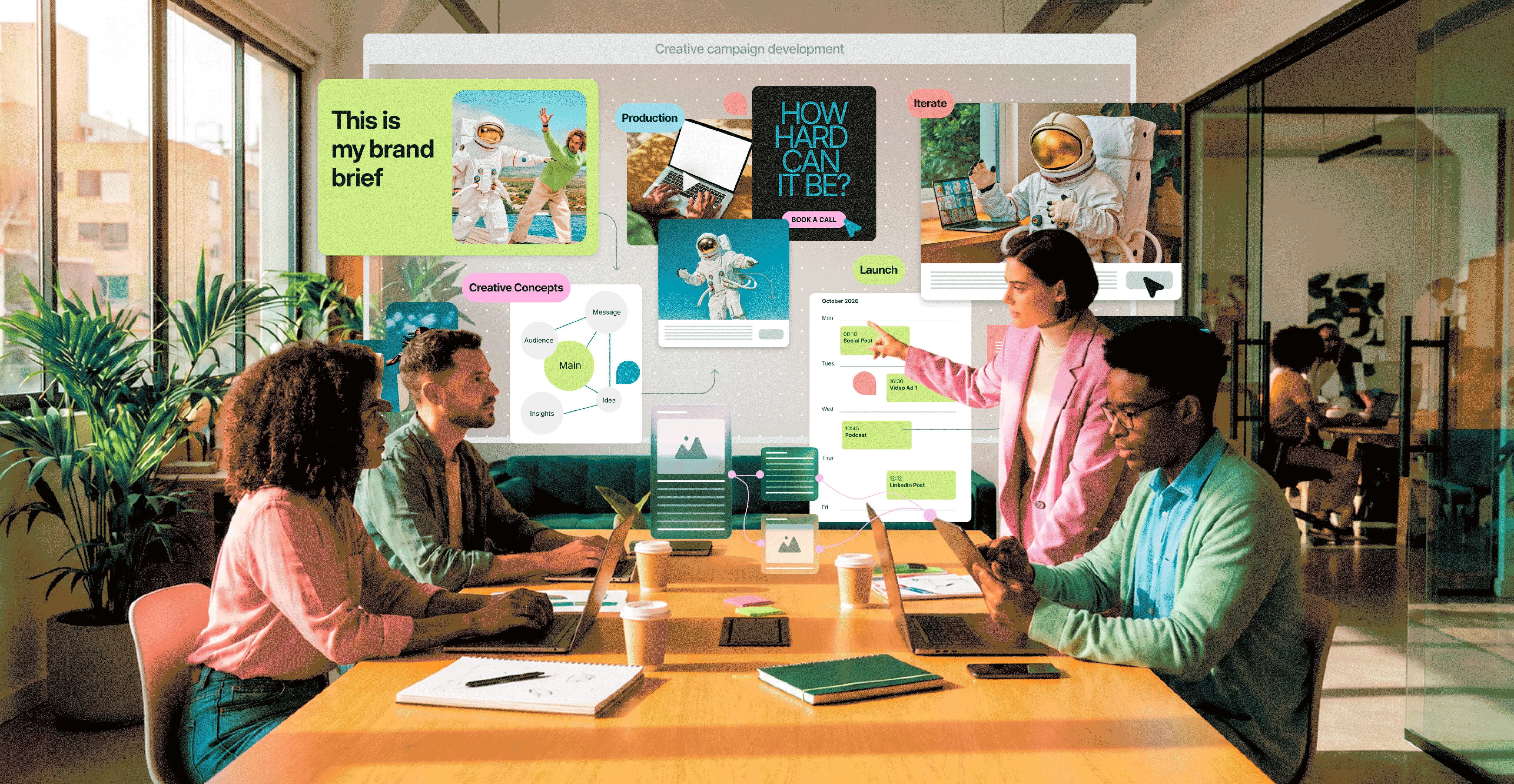
Anatomy of a high-performing cross-channel campaign in 2026
Behind every successful cross-channel marketing campaign is the same foundation. Every asset and activation fits together so seamlessly that the audience never notices the joins. The social ad, landing page, follow-up email and event booth all feel like one continuous conversation with a single, recognizable brand. Cross-channel campaigns that miss the mark tell a different story. The ads looked good, the landing page ticked the right boxes, and the social posts generated decent engagement. But each asset was built in isolation, so the campaign never felt like a cohesive whole.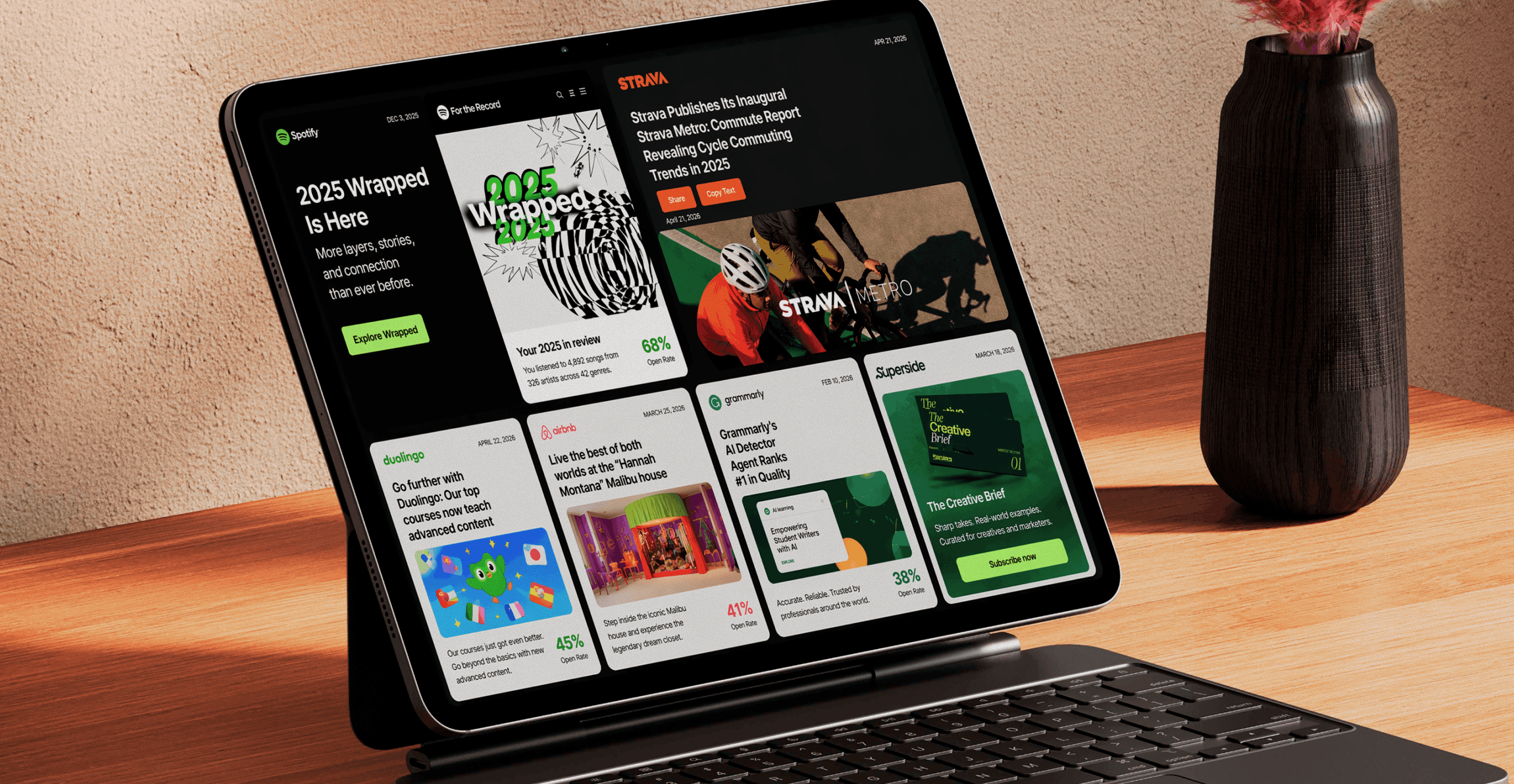
Steal these 10 email marketing campaign examples that work in 2026
With an average ROI of $36 for every $1 spent, no other channel comes close to email marketing. In 2025, 4.48+ billion people used email, a number that could reach 5 billion by 2028, and an estimated 376 billion emails were sent daily. And email’s momentum isn’t slowing down. The global email marketing market is projected to grow from $11.5 billion in 2025 to $17.9 billion by 2028. Perhaps most telling, 60% of consumers still say email is their preferred channel for hearing from brands.
Creative testing framework for paid social on enterprise teams (2026)
With platforms like Meta’s Advantage+ and TikTok’s Smart+ Campaigns, much of the traditional ad campaign optimization work has been absorbed by algorithms. What remains (and where the real competitive advantage now lies) is the quality, diversity and relevance of the creative itself. In fact, creative has become the last true lever in paid social, and arguably the most decisive one, now accounting for up to 70% of campaign results.
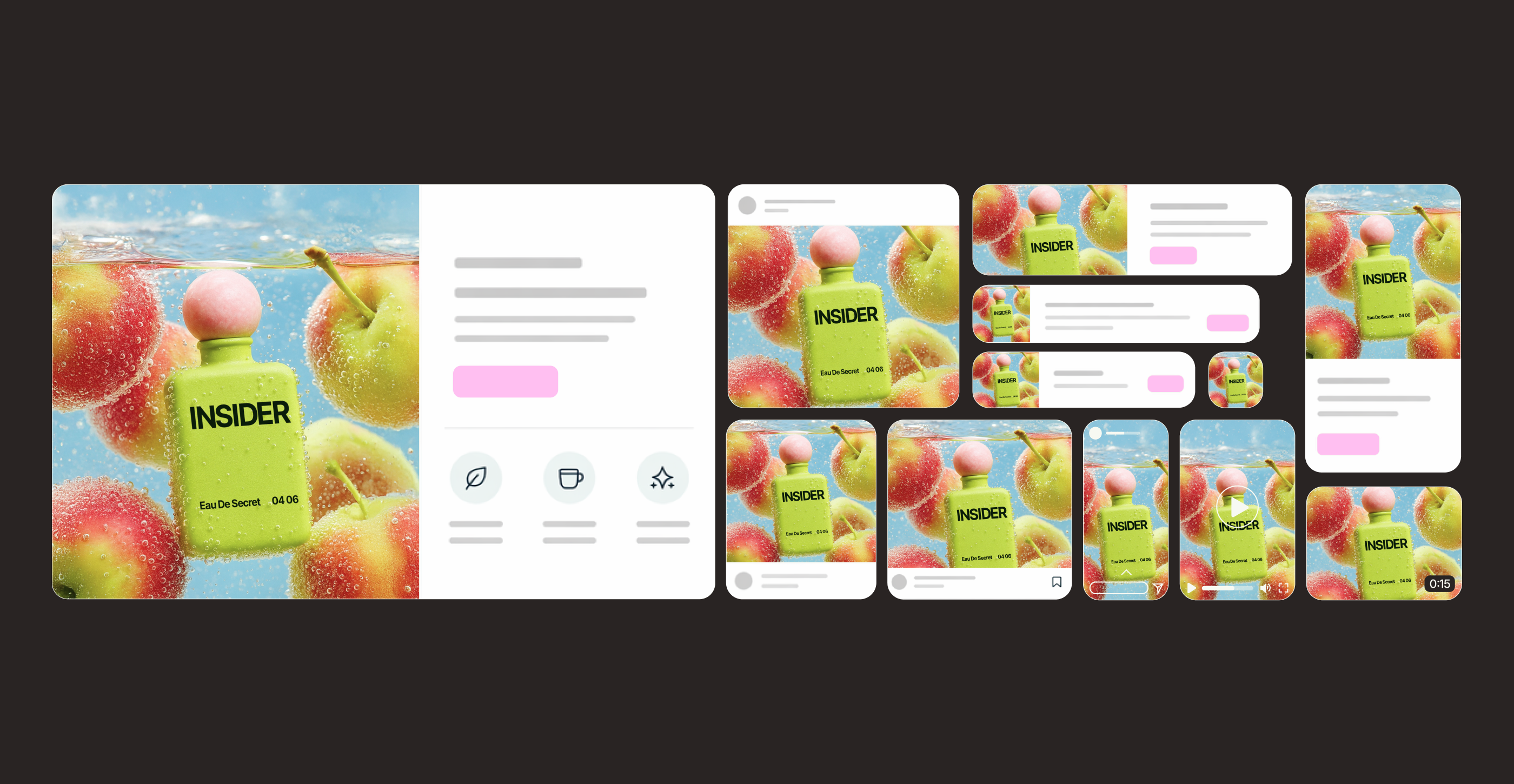
How to design high-performing ads in 2026
There’s a shift happening in digital advertising that many marketing teams haven’t yet fully absorbed. As platforms like Meta and TikTok automate targeting, bidding and placement, algorithms increasingly handle the targeting variables that human teams once controlled. What that leaves on the table, as the primary lever marketers can still pull, is creative quality.
How brands build corporate website solutions that last and scale in 2026
Your corporate website used to be something you refreshed every few years. New visuals.
How enterprises build landing pages that convert and scale in 2026
An enterprise landing page is rarely "just another page." It's where your marketing efforts come together to turn customer attention into concrete action. Paid campaigns, ABM, email and SEO efforts all point to landing pages designed to capture demand as part of a broader marketing campaign strategy. For enterprise creative teams, the pressure is high: more stakeholders, audience segments, compliance rules and traffic channels. At the same time, leadership expects clear proof that these pages deliver.